Protein Optimization – The Secret to Better Body Composition
Ninety-nine percent of people that I have worked with or those that are in my practice currently have had a diet deficient in protein. If someone comes to me and they are having a difficult time maintaining optimal body composition, I can pretty much guarantee that they are eating a diet deficient in protein. It's not their fault! I think that people have received bad advice, ranging from the food pyramid recommending most of your diet coming from grains and processed food to the recent craze about fasting and caloric restriction (I was there once too!).
Dietary protein has so many important roles in the body ranging from modulation of appetite (i.e. makes you full faster) and providing building blocks for neurotransmitters to muscle protein synthesis so that you are not only stronger, but also more metabolically healthy. Don't forget that not only is muscle very metabolically active (burns more energy), but it also serves as a glucose sink so that the carbohydrates you eat are used and not converted to fat.
How Much Protein Do You Need?
As one of my favorite professors used to say, it depends. It depends on your activity level, body weight, and fitness goals. To answer this question, I have read many articles and papers by two of the best researchers in the protein field, Stuart Phillips and Don Layman. First of all, shooting for the RDA is way too low. The 0.8g/kg of body weight will essentially prevent symptoms of deficiency in 97% of people, but will be woefully inadequate if you care about performing at a high level. Not to mention that at that level 3% of people will actually have signs of deficiency!
For example, the RDA for one specific amino acid, leucine, is 42 mg/kg, but in order to get muscle protein synthesis stimulated and to optimize metabolic health you need somewhere around 100–110 mg/kg.
If you are an active person participating in resistance exercise then you need 1 gram of protein per pound of body weight per day. This should ideally be split into 3–4 meals that are 3–5 hours apart. This will lead to maximal protein stimulus through the day, leading to more muscle, and better overall health. You can tinker with this amount and go up to 1.1–1.2, but most people aren't active enough to require this much.
Are you trying to lose weight? You likely also want to preserve muscle, so increasing the protein even more can be helpful. Eating between 1 and 1.4 grams of protein per lb of body weight will help with satiety and preserve lean body mass while you are losing weight. However, I wouldn't maintain protein levels this high for too long because if you are getting >35% of your calories from protein it can affect your hormones. I learned that one the hard way.
If you are inactive, but want to preserve muscle mass and want to improve your physique, then a more modest approach is appropriate. I wouldn't recommend this, however, as resistance training and zone 2 cardio are probably the biggest levers we have in improving health and lifespan. Going as low as 0.8 grams of protein per lb of body weight can work here, but increasing resistance training and increasing protein would be a more optimal approach.
What This Looks Like in Practice
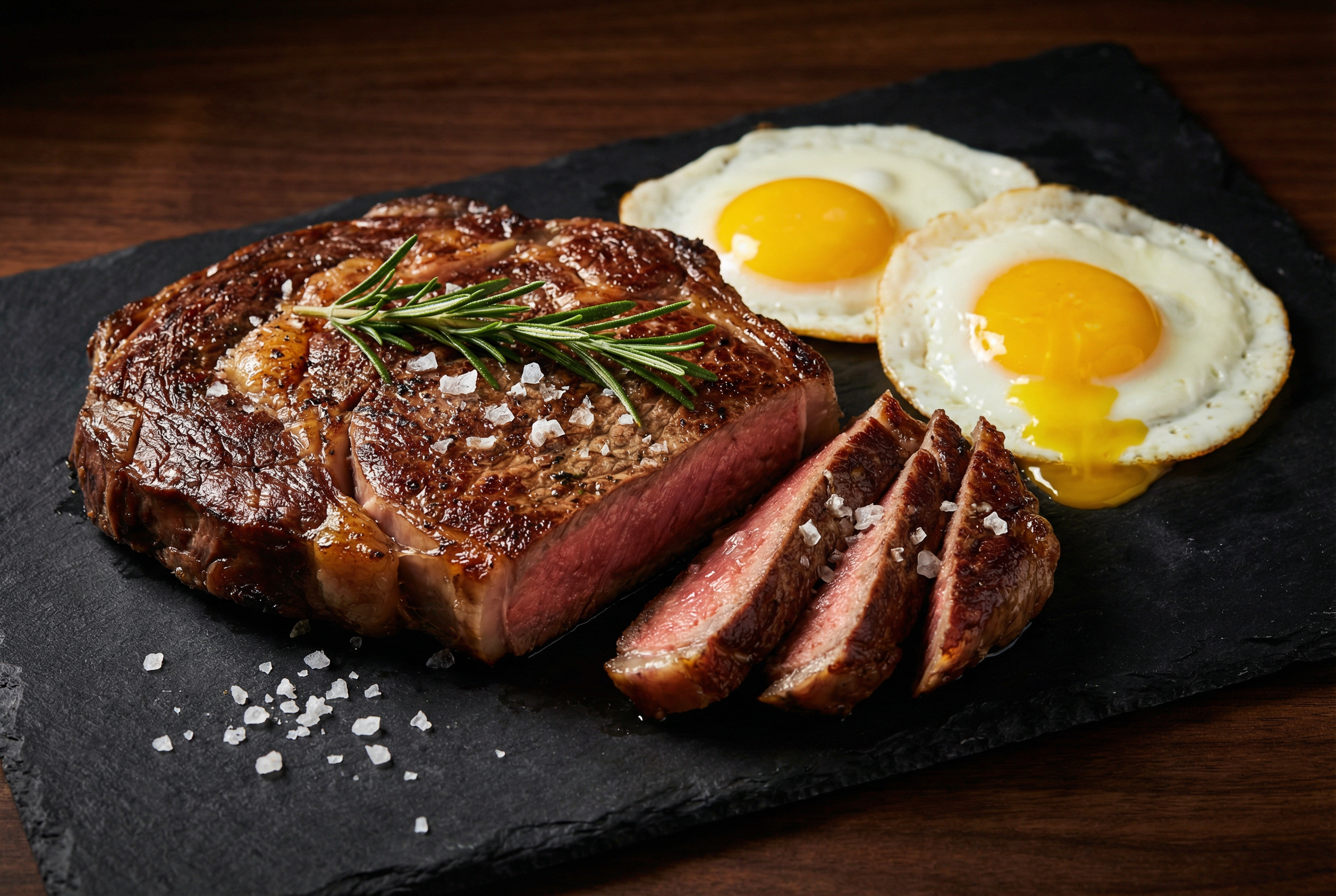
This is a lot of protein I am talking about. For me personally, being a 190–195 lb man that is quite active, I shoot for about 1.1 grams of protein per pound of ideal body weight per day. For me this is around 210 grams of protein and in practice this looks like 8 oz of some kind of red meat three times per day, 3 oz of hard cheese, 1.5 cups of yogurt and 1 cup of raw milk after working out.
As for overall macros, I think there are a couple of ways to think about this. For fat, I typically recommend around 0.8 to 1 grams per lb of body weight and for carbs I recommend between 0.7 to 1.2 grams per lb of body weight. Where you fall on the spectrum depends on your body composition and goals. If you are trying to lose weight then I think going on the low end is appropriate for both, and if you are very active then going on the high end for both makes sense. This is more something you have to tinker with and is much more of an art than a science.
Two Key Things Worth Reiterating
First, protein needs to be evenly distributed between 3 meals to maintain muscle protein synthesis. Spacing protein consumption 3–5 hours apart will allow your body to continue to grow and repair through the day. If you add resistance training somewhere in there with an appropriate post-exercise feed, then you are really going to be up-regulating these cellular mechanisms. Then you have a 12–14 hour fasting window where you aren't getting the growth signals, but instead are doing cellular repair and housekeeping through autophagy. If you combine this with enough glycine (found in collagen and tougher cuts of meat) then you will get all the muscle growth and repair benefits of eating meat without any of the excessive growth signal risks.
Second, protein quality matters. We get protein quality by looking at the combination of essential amino acids and the digestibility of the protein. Animal proteins far outcompete plant proteins when they are evaluated by these criteria and this is the reason that I really want my patients to focus on getting their protein from animal foods.
Now go out and eat a steak!
Board-certified physician specializing in functional medicine, direct primary care, and human optimization. Serving patients in Snohomish, WA and beyond.