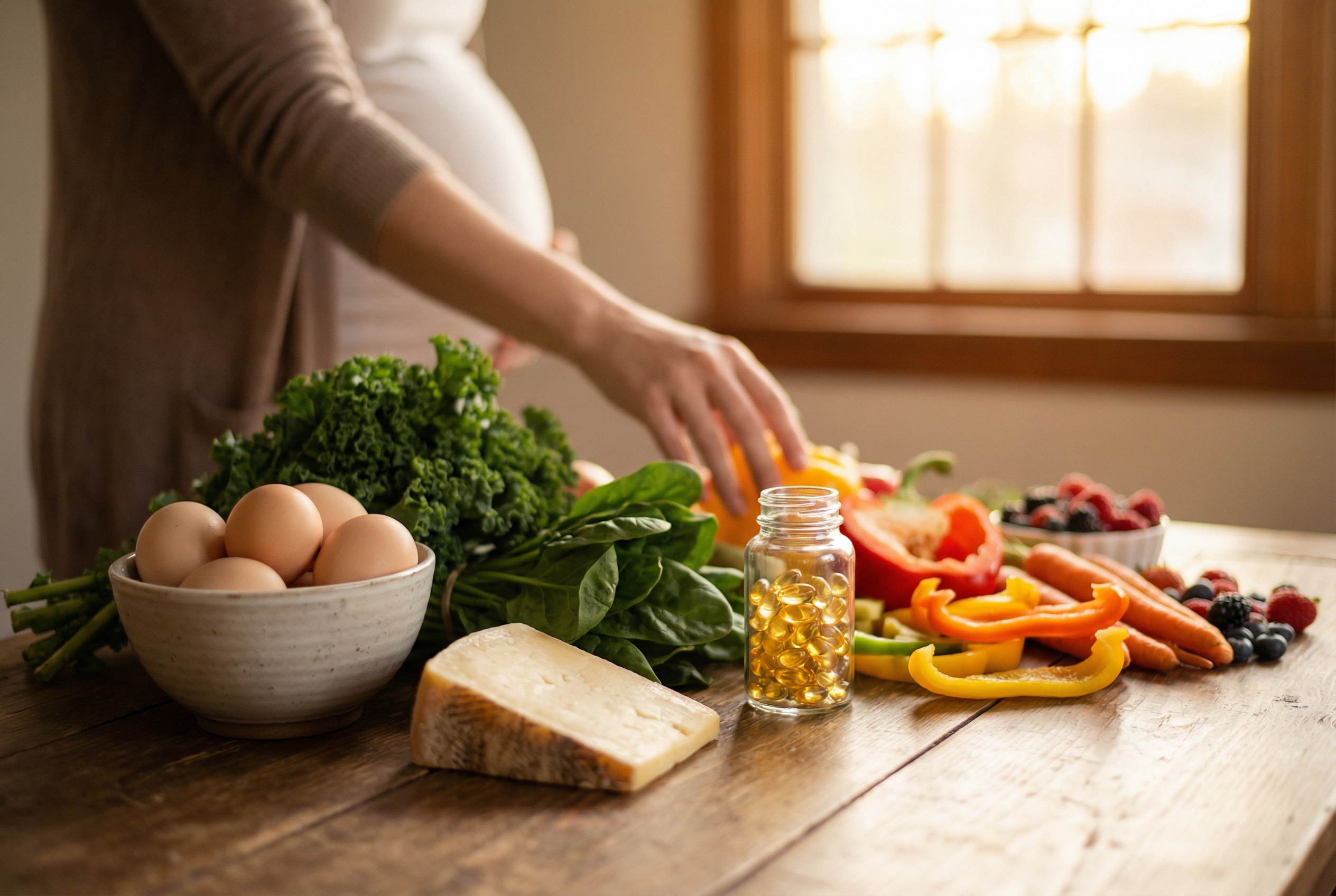
Optimal nutrition for a growing baby has been on my mind a lot the last 9 months. Ever since my wife became pregnant 18 months ago, I have been thinking about how to optimize both my wife's and my son's nutrition to give him the best chance at reaching his potential as a human. To cover all we have done over the last 18 months would take an entire book, so I am going to focus this article on what we did while breastfeeding. Sequels to this article will be about what we did before he was born and how we introduced food.
Breastfeeding is the best way to nourish a baby for the first 2 years of life. Breastfeeding is associated with lower risks of asthma, allergies, reduced rates of respiratory illnesses and ear infections, and more robust children. However, breast milk is what breast milk researchers call a "conditionally perfect" food. This means that what the mother eats is able to shift breast milk in a health giving direction if she eats a nutrient dense diet. If mom eats a nutrient depleted diet (standard American diet), then it can actually be nutrient deficient.
Why Maternal Nutrition Matters
Several nutrients that mom eats affect the breast milk. For example, fat intake — both quantity and quality — affects the fat content of breast milk. Fat forms all of the cell membranes of our bodies and cell membrane health is very important for overall health. If you want your baby to have healthy cell membranes, then eating healthy fat while breastfeeding is vital. B vitamins in breast milk are also sensitive to maternal nutrition. For example, if mom's diet is deficient in B12, then the baby only gets 16% of its B12 requirement. B12 is very essential for brain development and allows all of the nerves of our body to develop normally. B12 deficiency in babies can lead to irreversible neurologic damage.
Other important nutrients that are dependent on maternal intake are choline, vitamin A, vitamin B2, vitamin B1, selenium, iodine, and vitamin D.
In order to make breast milk the healthiest food possible for our babies, we must pick foods that contain the above nutrients in high quantities. There are several reports of babies dying of malnutrition when fed breast milk of vegan mothers, likely related to the above nutrients. These mothers had the best of intentions, but these nutrients are vital for life and mostly come from animal foods. This means we must focus on eggs (high in choline and B12), liver (high in everything good for you), dairy, tallow, meat, etc. If these foods make the bulk of your diet then you will have milk that nourishes your baby on a deep level.
What We Did
For our family, we start the day off with a blast of nutrients. Suz has 4 eggs with some raw cheese and a smoothie with raw milk, raw yogurt, blueberries, collagen, and 2 ounces of organs (we blend 12 capsules of organ pills as she doesn't enjoy eating organs fresh). Lunch and dinner are nearly as potent for nutrients. She will typically have 6 oz of some kind of protein (beef or fish) with a couple of ounces of raw cheese and some vegetables and fruit. Cod liver oil is really the only supplement we use, which gives us 2,000 units of vitamin D as well as several more thousand units of vitamin A. I actually think of cod liver oil as more of a food than a supplement. In totality, this provides nearly 10,000 units of vitamin A, plenty of healthy fats, and all the B-vitamins that our son needs to be healthy.
I should also mention that a nutrient dense diet is not only beneficial for breast milk — it also helps the mom heal from pregnancy. Developing a baby and giving birth are certainly taxing on your nutrient stores and your mammary glands are going to pull as many nutrients as possible to put in the milk. This can deplete your brain and body of vital nutrients that you need to stay healthy. If you replenish these stores daily, not only are you going to give baby everything they need, but also improve your own health along the way.
The nutrients that stay constant in milk, no matter intake, include folate, calcium, iron, copper, and zinc. However, this means that if mom doesn't consume them then she becomes depleted herself. These vitamins and minerals are needed for thousands of processes in the body and mom will develop health problems because of it.
Our goal as parents is to allow our children the opportunity for the best lives possible. We should all want them to have every advantage in life and this starts with what we put in their bodies from the very beginning.
Board-certified physician specializing in functional medicine, direct primary care, and human optimization. Serving patients in Snohomish, WA and beyond.